Rig recipes

DIY rig recipes and plans for long ice nights

This page keeps the builds light: clear steps, short notes and just enough photos to copy each rig on your own bench.

Every recipe starts with a small sketch, a part list and one lane: sled, box or shelter. You pick the lane, follow the cut sizes and end up with a rig that fits your ice, not a catalog photo.
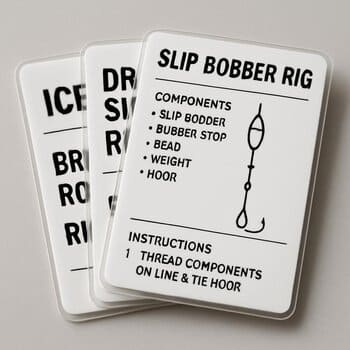

Set of small rig recipe cards laid out on a workbench
Recipe cards keep each build short and repeatable.
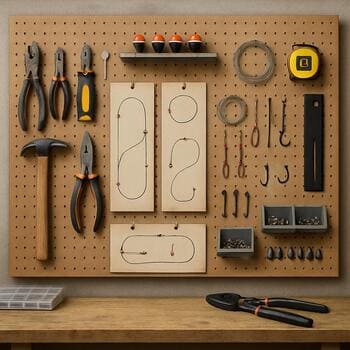
Wide view of a workbench with sled, box and tools ready for a rig build
A single bench layout works for sled, box and shelter lanes.

Pick a lane

Three build lanes so you always know where to start

Solo nights, duo trips and crew weekends each get their own layout and recipe card.

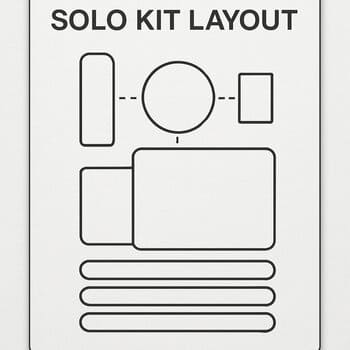
Solo layout recipe card with one sled and a compact shelter

Solo lane

One sled, one box, one shelter. Everything can be dragged in one pull.
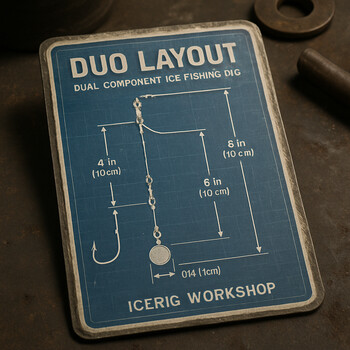
Duo rig layout card with shared bench and paired chairs

Duo lane

Two seats, shared heater, shared tackle. No one reaches over the hole of the other.
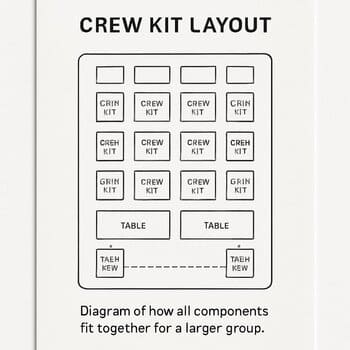
Crew layout recipe card with multiple holes and two shelters

Crew lane

Extra holes, extra rods and a walkway that stays clear all night.

Parts strip

One strip that shows what every kit actually needs

No long spreadsheet, just a single strip for sled, box and shelter builds.

Sled kit

  • Deck boards, rail brackets and front bumper parts.
  • Strap anchors sized for gloves and frozen buckles.

Box kit

  • Seat pad, hinge set and side rails for tool clips.
  • Two dry boxes and one quick-access jig tray.

Shelter kit

  • Window plates, draft skirts and extra corner ties.
  • LED strip set and cable clips that match the ribs.
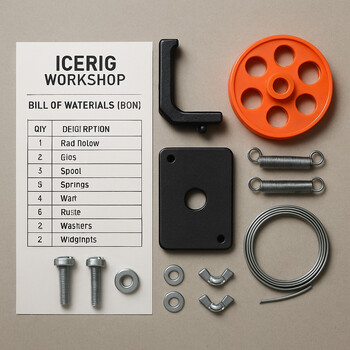
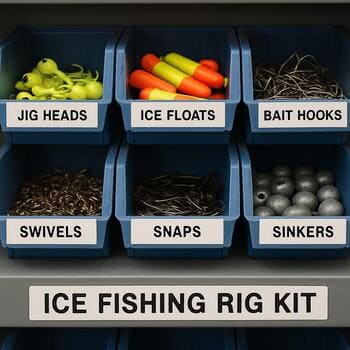
Flatlay of labeled parts for sled, box and shelter kits on a bench
A flatlay shows which parts belong to each lane at a glance.
Close-up of handwritten labels on small parts bags for a rig kit
Simple bag labels keep builds calm when the garage is cold and late.

Sled base

A short sled base recipe that fits one good pull

One drawing, one cut list and a simple rule: the loaded sled should move in one clean pull without tipping.
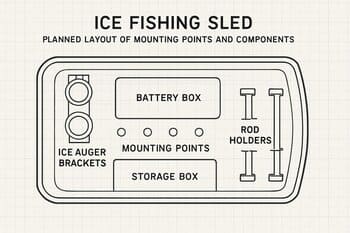
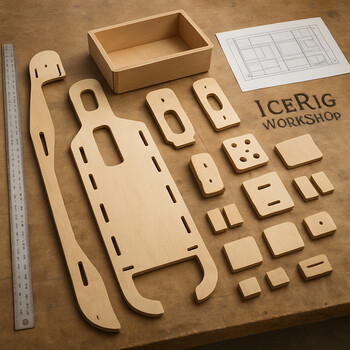
  • Keep the deck low and wide so gear does not stack too high.
  • Mark strap lanes on the drawing to avoid crossed tie-downs.
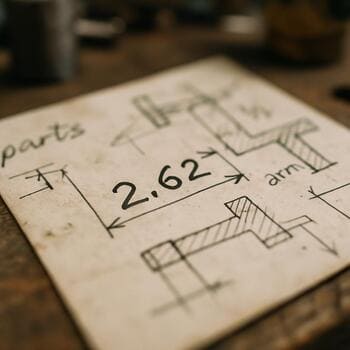
Top-down sled base blueprint with marked deck boards and strap lanes
A single top view shows board spacing and strap anchors.
Cut sled deck boards and brackets laid out on a workbench
Cut pieces on the bench match the sketch one for one.

Box grid

A three-cell grid that keeps tackle where you expect it

The box grid keeps heavy metal low, soft gear high and one cell for the “right now” tools.
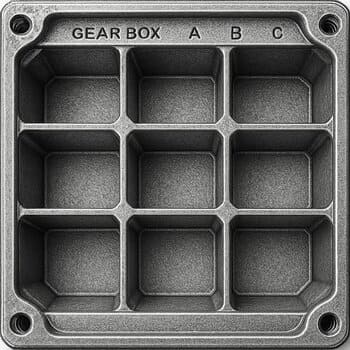
Open tackle box with three clear grid sections for gear
Open grid with three clear sections to fill on the bench.
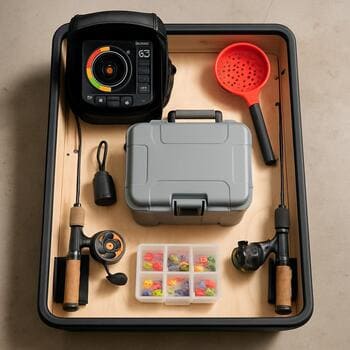
Packed box grid with tools and lures placed in separate cells
Packed grid keeps tools, lures and soft gear in their own lanes.
Box grid with small handwritten labels near each section
Small labels make the layout easy to repeat next weekend.

Shelter recipe

One window and one skirt that fix most stock shelters

This short recipe adds a clear window and a simple wind skirt to cut drafts around your feet.
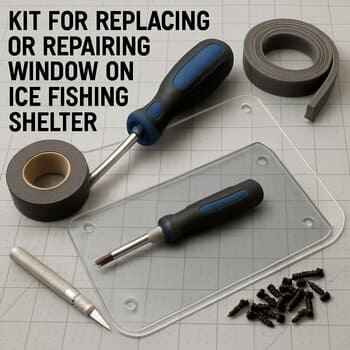
  • Clamp the new window plate from inside, trim later.
  • Pin the skirt to the ice with low, glove-friendly anchors.
Clear window kit and tape laid out next to a folded shelter wall
Window kits use clear plates that stay flexible in real cold.
Close-up of a wind skirt sewn along the bottom edge of a shelter wall
A stitched skirt blocks wind where boots and heaters meet.

Sled jig

A simple jig that keeps every hole in line

Clamp the jig once, drill all bracket holes and the deck stays square without guessing.
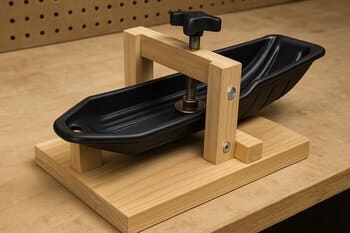
  • Use one jig board for both sides of the sled.
  • Mark front and back so you never flip it the wrong way.
Sled side clamped to a drilling jig on the bench
One jig board lines up side rails and bracket holes.
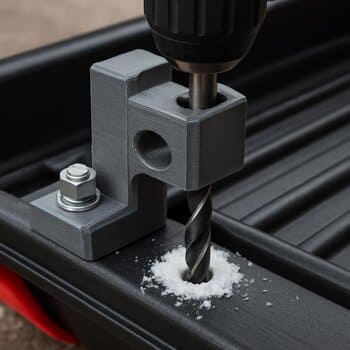
Close-up of a drill bit aligned with marks on the sled jig
Simple pencil marks show where each hole lands.
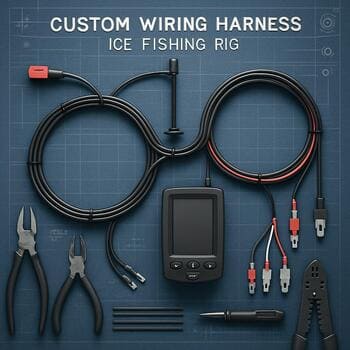
Wiring harness laid out on the bench with marked lanes
Harness lanes follow the same roof and floor routes as on the ice.
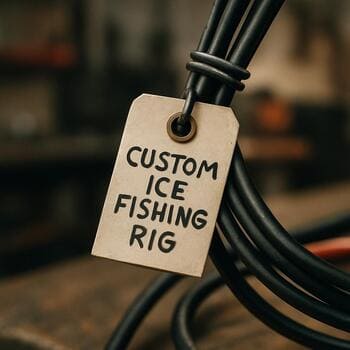
Close-up of small tags on wiring for lights, sonar and camera
Short tags keep light, sonar and camera leads easy to track.

Wiring lane

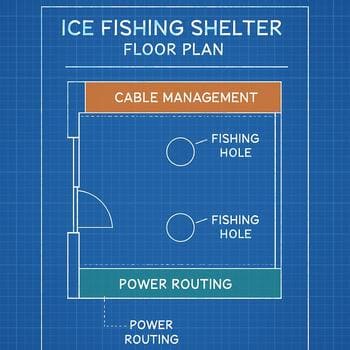
One bench lane that matches the shelter cable plan

Lay the harness out on the bench exactly how it will run in the shelter, then wrap and clip it once.

When the harness is built in a calm room, there is nothing to untangle in the dark on the ice.

Print presets

Short presets that match real parts, not test cubes

Three simple profiles cover most IceRig parts: clips, brackets and window plates.

Clip mode

Slow walls, extra perimeters, nothing brittle.

Bracket mode

Hotter bed and beefy infill for sled corners.

Window mode

Clear layers for plates that stay see-through.
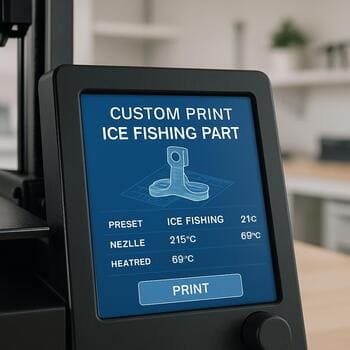
3D printer screen showing a custom preset for an IceRig part
Preset names match rig parts instead of filament brands.
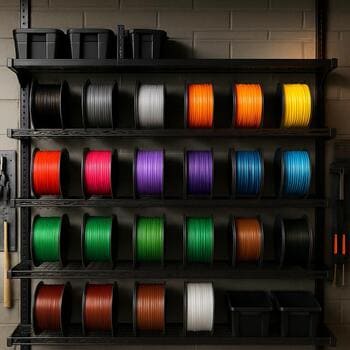
Wall of labeled filament spools used for winter test parts
A small spool wall keeps winter-tested plastics within reach.

Layout templates

Three quick templates for holes, doors and cable zones

Print one page, lay it on the bench and decide how you want the ice to look before you leave.
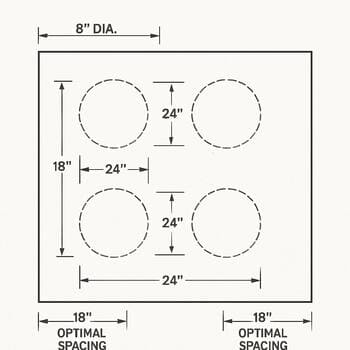
Printable grid template showing hole positions and seat spots
Hole grid shows where seats and buckets sit around each hole.
Template that marks the shelter door and a clean walk lane
Door view keeps one lane open from chair to sled and back.
Template with colored zones for power, sonar and camera cables
Cable zones split power, sonar and camera into separate paths.
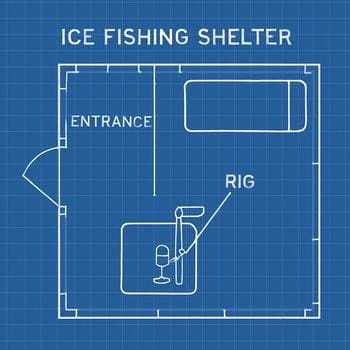
Top-view compact rig blueprint with sled, box and shelter icons
Top view keeps one compact rig on a single page.
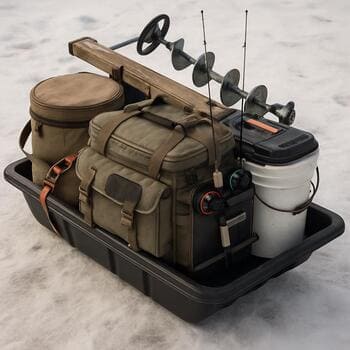
Packed compact rig sled ready to leave the workshop
The same rig, packed and strapped exactly like the drawing.

Compact rig

One compact build when you do not want to overthink

Sled, box and shelter stay inside one short rig recipe that fits most solo nights.

The blueprint shows how high to stack gear and where to leave a hand free when you pull.

Micro mods

Tiny rig tweaks that take minutes, not weekends

A short rail of small upgrades you can copy on a weeknight before the next trip.
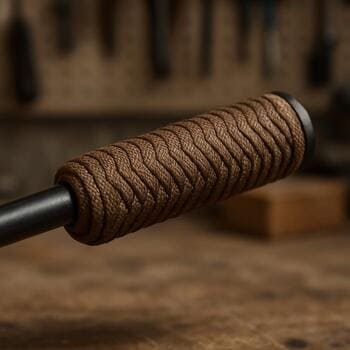
Sled handle wrapped with grip tape and marked pull point

Handle wrap

Grip tape and one bright mark show where to grab in gloves.
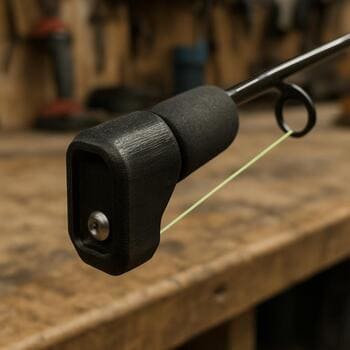
Soft bumper fixed to a rod holder slot on a sled

Rod bumper

A soft bumper keeps rod handles from hitting bare plastic.
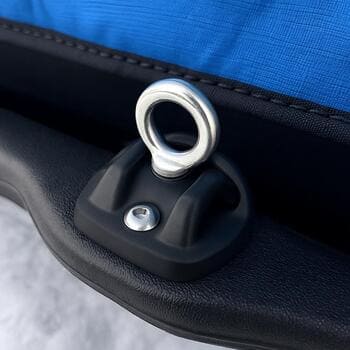
Small cord loop tied near an ice anchor for easy pulling

Anchor loop

A short loop makes frozen anchors easier to pull out.

Bench notes

Short bench notes that stay with each rig recipe

Notes stay small: what failed, what fixed it and one line about the next test.
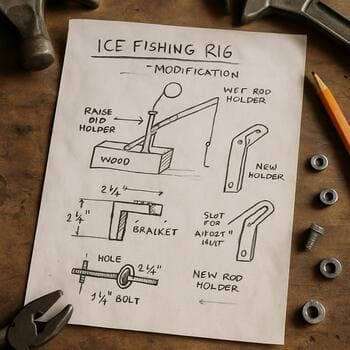
Bench note sheet with short lines under each rig name
Each recipe gets one small note sheet with clear failures and fixes.
Close-up of a bench note saying which bracket cracked on pull test
Close notes mark which part cracked or slipped first on the bench.
Cork board on the workshop wall with rig notes pinned in rows
A small wall board keeps the most useful lessons in view.

Kit staging

One staging shelf that shows what is ready for the ice

Sled, box and shelter kits each get a shelf lane so you can see what still needs work.
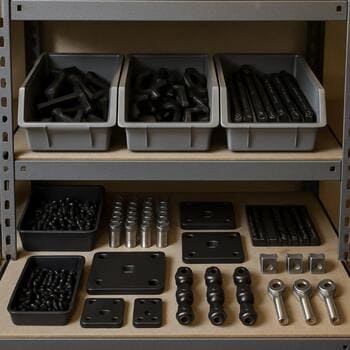
Workshop shelf with sled kit parts stacked on one side
Sled lane holds boards, brackets and bumpers for the next build.
Labeled bins with small parts for box and shelter kits
Small bins collect clips, anchors and screws by kit type.
Packed kits near the workshop door ready to load into a sled
Packed kits line up by the door when the rig is ready to travel.

Rig variants

Two ready variants when a solo rig is not enough

Quick cards show how to stretch the same base rig for a long day or a calm family trip.
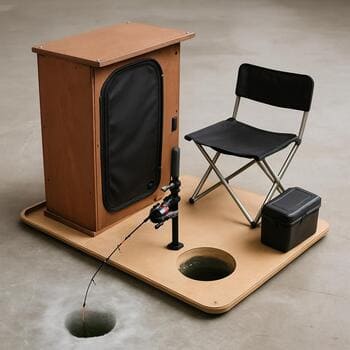
Solo rig variant card with light sled and compact shelter

Long solo

Extra fuel and food, but the same simple layout and pull weight.
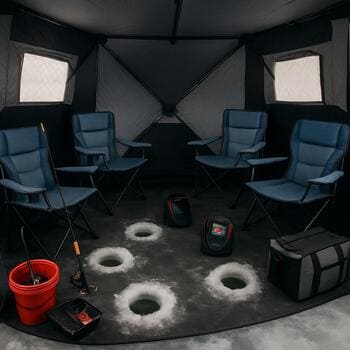
Family rig variant card with two seats and wider shelter

Family lane

Two seats, extra snacks and a clear spot for a small helper.
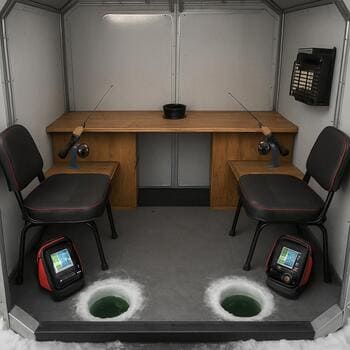
Duo rig variant card with shared bench and two rod zones

Duo night

Shared heater, shared box and two rod zones that never cross.

Checklist cards

Tiny cards that live on the sled lid and shelter wall

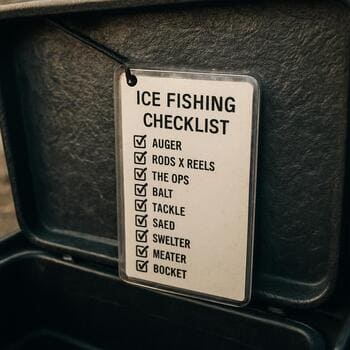
The same rig recipes turn into credit card sized checklists for the last look before you leave.
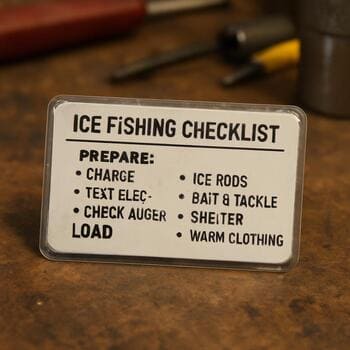
Small laminated checklist card next to a marker and tape
Laminated cards take a marker, rag and many late garage nights.
Checklist card taped to the inside of a sled lid
One card on the lid means no phone or notebook on the ice.

Print checks

A small corner for test strips and failed parts

Failed clips and rough test strips stay in one box so the next version gets better, not just bigger.
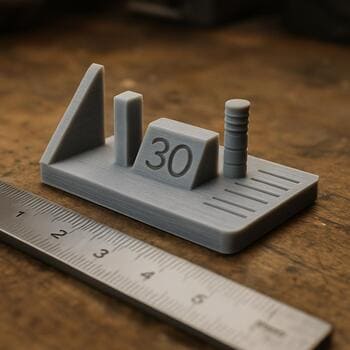
Box with failed 3D printed clips and labeled test strips
A simple box keeps old mistakes close to new rig ideas.